Monitoring Country

Collecting Plant Samples for Identification
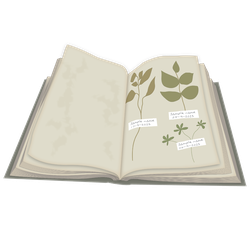
Plant collection is a useful tool for identifying what plant species are found on Country. The method involves systematically gathering plant samples (also called specimens) and carefully documenting information about the plant, where and when they were found, and details about the surrounding habitat.
Collecting physical specimens means that the plant can be identified and confirmed with the help of experts, and it creates a permanent record of what species are present on Country.

Image: Australian National Herbarium
Why is collecting plants useful?
Find important plants: You can find out if you have weeds that need managing, threatened species that need protecting, food plants for animals or important cultural plants that are used for food, medicine or making things.
Share plant knowledge with others: You can add plant information to databases like Atlas of Living Australia (ALA) and state herbarium that helps build a big picture of where different plants are found. This data can help scientists, land managers, and other ranger groups understand plant distributions and make better decisions about conservation and management.
Create a record: You can create a field herbarium of the plants you find on Country that can help with future plant identification and creates a record of what species were present at a particular time.
Pass on cultural knowledge: It can help pass on cultural knowledge including helping young people learn about plants, their cultural uses and their importance on Country. The plant collections can also be used to prepare plant identification resources like field herbariums or bush tucker books.
What can collecting plants monitor?
Plant collection can be used to identify the plants that are growing on Country. This includes native plants like bush tucker, medicine plants and threatened species, as well as weeds.
What can you learn?
You can learn which plant species live on your Country and where they grow (plant biodiversity).
What can’t you learn?
Plant collection can't always tell you about all plants on Country. Some plants can be hard to find or only grow or flower at certain times of year, so you might miss them during your collection work.
Plant collection alone can't tell you why plants are growing where they are or how plant communities might be changing. You might need to monitor the plants over [CM2] many seasons and years using quantifiable methods (like counts or canopy cover), and you need other information like rainfall records or fire history to understand these patterns.
Plant collection can't tell you everything about plant health. To fully understand plant health, you might need to monitor them over many seasons and years and look at things like whether they are flowering and seeding.
Collecting plants the Right-way
REMEMBER! Any time you do work that might disturb or interfere with native animals and vegetation, particularly threatened species, you need to check with the state authorities to see if you need any approvals, such as scientific licences or animal ethics committee permits.
To collect a good sample that can be identified, remember that different plants need different plant parts collected. In general, a good sample includes the stems, leaves, flowers and fruit. Some plants will also need seeds or bark or underground parts like roots and bulbs or juvenile leaves.
Because plant samples usually need the flowers and/or fruit, you should plan to collect samples when the species you are interested in are flowering and/or fruiting. You may need to collect samples at several times throughout the year.
Identifying plants to the exact species usually requires a high level of botanical expertise and experience, particularly for plants that appear similar. However, these plant identification resources can help you build your skills and knowledge, including finding out which plant parts need collecting and when they will be flowering/fruiting:
- ID books - look for books that are specific to your area or that focus on a particular group of plants, like orchids. General wildflower or gardening books can be helpful for common species.
- Bush tucker ID books - check if there are books specific to your Country, like An-Me Arri-Ngun: the Food We Eat for Kakadu National Park, Birriliburu Bush Tucker and Traditional Ecological Knowledge of Nyangumarta Warrarn IPA
- Plant ID apps and websites – digital platforms like Plant Net and iNaturalist use AI recognition technology or community expertise to identify plants from photos. These aren’t specific to Australian plants so are usually only useful for common and easy to identify plants. WeedScan is made specifically for weeds in Australia.
- Dichotomous keys – these are step-by-step identification tools that guide you through questions about the plant to narrow down the species ID. They can be specific to an area or to a type of plant, like Eucalypts. Have a look at the options from Lucid and the Australian National Herbarium.
- Terminology – some books, like Name That Flower, and herbarium resources, like the Australian National Herbarium’s Collecting Difficult Plants and What make a good specimen?, are useful for learning about different plant parts and terminology, what parts need collecting and when they will be flowering/fruiting.
Collecting native plants
You can learn how to collect native plant samples in the Standard Operating Procedure for Collecting Plant Samples for Identification
Collecting weeds
Collecting weed plant samples is very similar to collecting native plants, however there are extra biosecurity steps that you need to follow to avoid spreading weeds including vehicle wash down and correctly disposing of any trimmings or loose plant parts.
You can learn how to collect weed plant samples in the Standard Operating Procedure for Collecting Plant Samples for Identification
Making a plant press
A key piece of equipment you will need to collect plant samples is a plant press.
You can buy plant presses, but it is easy to make them from a few, simple materials. Instructions for how to make a plant press are in the Standard Operating Procedure for Collecting Plant Samples for Identification


Image: a lightweight field plant press (QLD Herbairum) and a standard plant press (WA Herbarium)
Sending samples to an herbarium
Plant samples can be sent to your state/territory herbarium if you want them to identify the samples for you. This can be useful if you don’t know what species are on Country, you aren’t certain that you have identified the plants correctly, or you have important plants like threatened species.
The herbarium can also add them to their plant collection. This information is added to national databases, which creates a lasting scientific record. This data can help scientists, land managers, and other ranger groups understand plant distributions and make better decisions about conservation and management.
The Australian National Herbarium has a great visual guide on what a plant sample sent to the herbarium looks like and what it needs to include.
You can learn more about collecting plant samples for your state herbarium in the Standard Operating Procedure for Collecting Plant Samples for Identification
Making a field herbarium
Field herbariums are a collection of plant samples collected on Country that have been identified by an expert at your state/territory herbarium and are then kept by you/stored on Country. You can use this collection of samples to quickly identify plants you see on Country. It can also be used as training tool for rangers to identify plant species.
You can learn how to make a field herbarium are in the Standard Operating Procedure for Collecting Plant Samples for Identification
Primary sources
This landing page was developed using the following sources:
Primary sources
This landing page was developing using the following sources:
- Australian National Herbarium (1996). An Introduction to Collecting Plants
- Queensland Herbarium (2016). Collecting and preserving plant specimens, a manual (2nd edition)
- Western Australian Herbarium. How to Collect Herbarium Vascular Plant Specimens
- Aboriginal Landcare Education Program (Greening Australia). Collect, Prepare and Preserve Plant Specimens
Tools and resources
- Australian Virtual Herbarium:
- Websites for Australia’s state and territory herbariums: